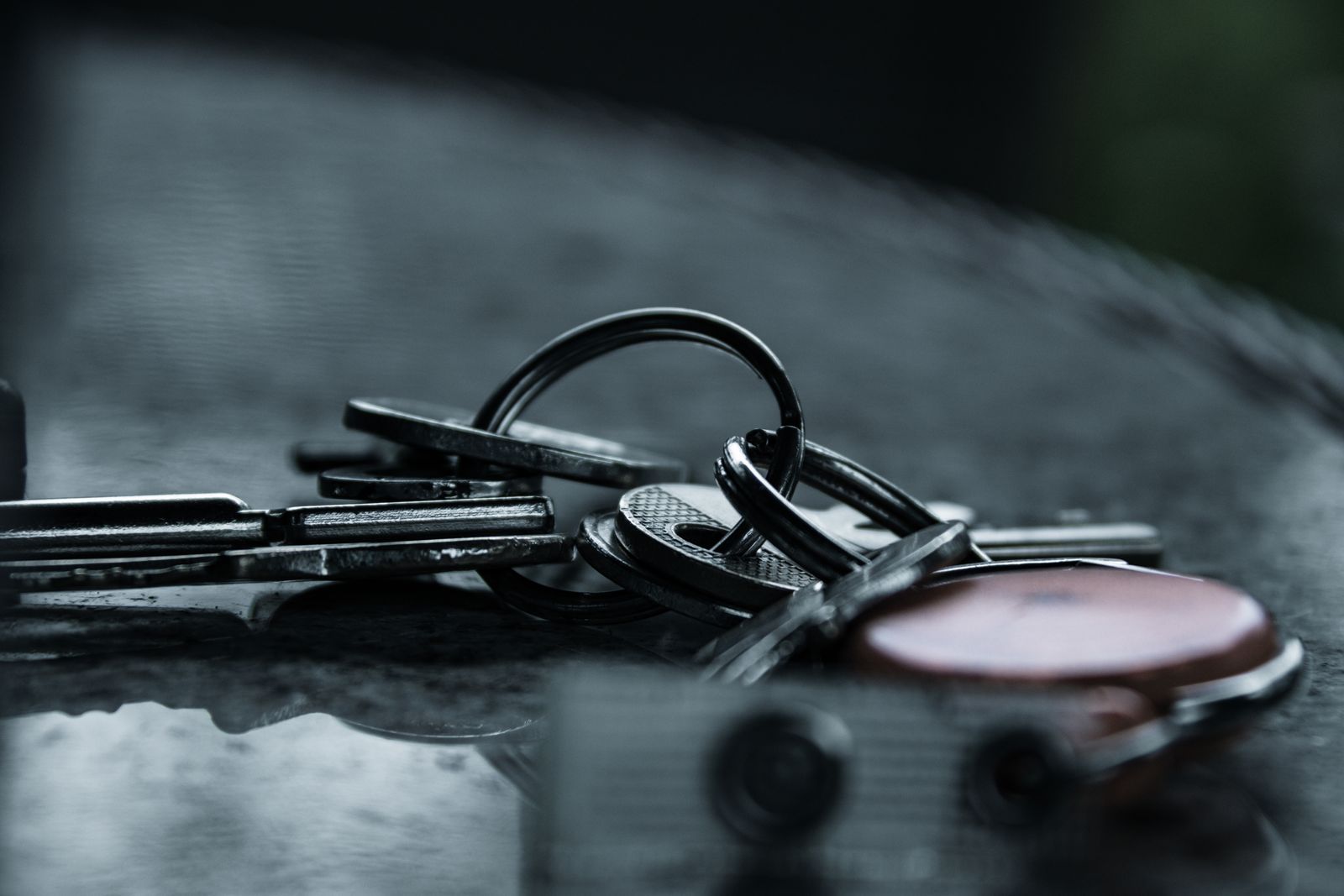
What makes commercial-grade locks pick-resistant, and durable enough to withstand extreme daily use? The answer is a grading system most shoppers never see: ANSI/BHMA grades, stamped inside the box flap and worth reading before you buy.
The grades in one paragraph
Grade 1 is commercial heavy-duty: tested to 1,000,000+ cycles and the highest attack resistance. Grade 2 is heavy residential — fine for most homes. Grade 3 is light residential: interior doors and low-risk use only. The price gap between Grade 2 and Grade 1 on a deadbolt is small; the strength gap is not.
Pick resistance: pins, sidebars and key control
High-security cylinders add spool and serrated pins, sidebars and patented keyways — meaning blanks can't be cut at a kiosk and bumping takes real skill plus time. For businesses, the bigger win is key control: restricted keyways where every copy is authorized and logged.
The part everyone forgets: the strike
A Grade-1 deadbolt throwing one inch into a thin strike held by half-inch screws is still a weak door. Our installs pair the lock with a reinforced strike, 3-inch screws into the stud, and a checked door fit — the unglamorous trio behind most "unbreakable" doors.
Where Grade 1 pays off fastest
Main entries, side doors out of street view, garage-to-house doors and any commercial opening. Interior bedroom and bathroom privacy sets? Grade 2 is plenty — spend the difference on the strike plates instead.
Bottom line: buy Grade 1 for entries, Grade 2 inside, and reinforce every strike. Not sure what's on your doors now? Book a free hardware assessment — we'll grade what you have and quote the fix before touching a screw.