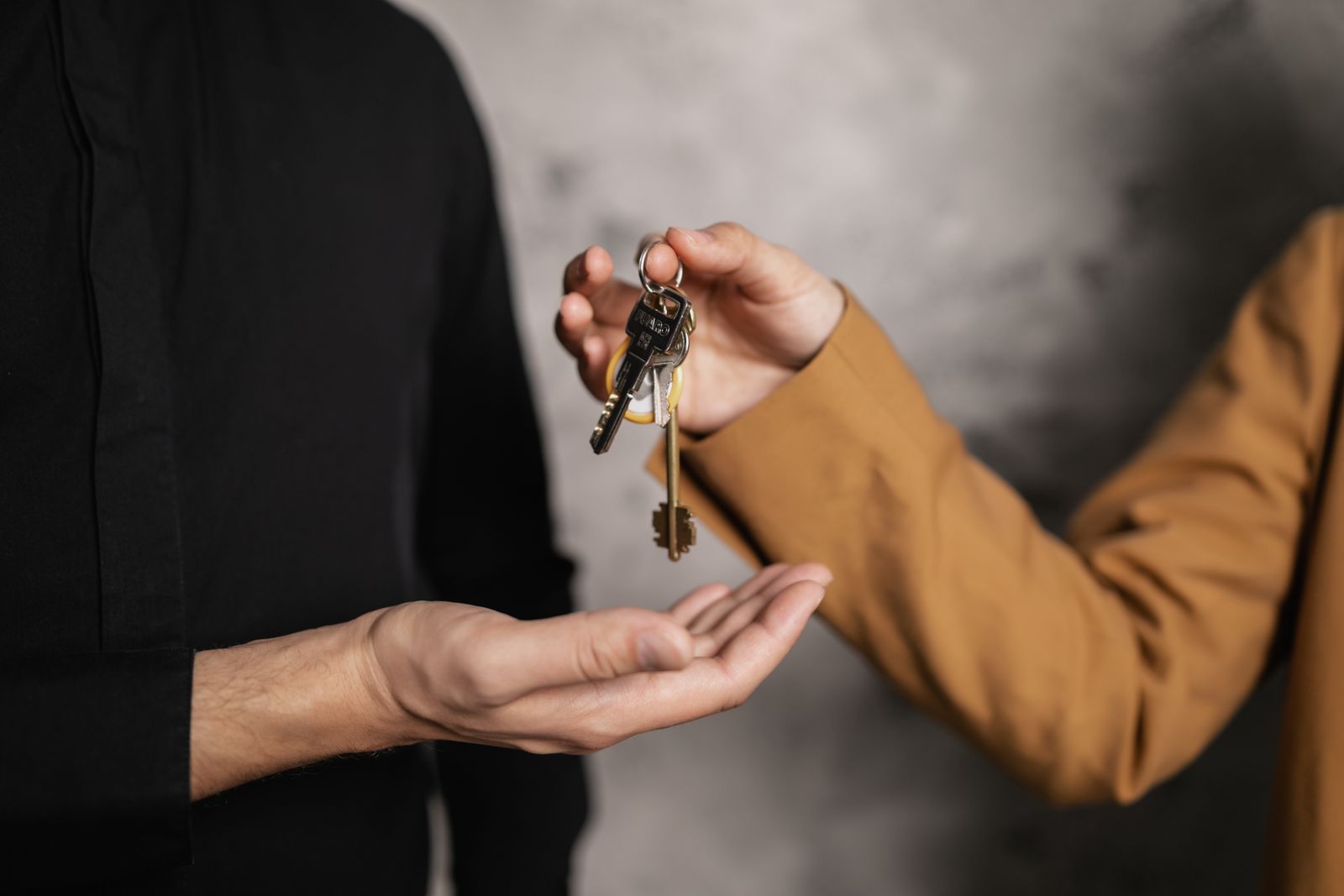
Congratulations on the new place. Before the boxes, the paint and the Wi-Fi password, there is one job that matters more than all of them: making sure nobody else still has a key. Previous owners, tenants, cleaners, contractors, the neighbor who watered plants in 2019 — keys multiply silently.
1. Rekey every exterior cylinder on day one
Rekeying re-pins your existing locks so old keys stop working — same hardware, new keys, done in about an hour for a typical home. It costs a fraction of replacement and closes the biggest risk window immediately. If you do nothing else on this list, do this.
2. Count every entry point, including the odd ones
Walk the perimeter and list them all: front, back, side, garage-to-house, basement bulkhead, sliding patio. Sliders and garage doors are the two most commonly forgotten — a rekey visit is the perfect time to have them assessed and, if needed, fitted with auxiliary locks.
3. Check strike plates and door fit
A great deadbolt in a weak frame is decoration. Look for short half-inch screws in the strike plate and doors that need a shove to latch. Long-screw strikes and a latch alignment take minutes and multiply kick-in resistance.
4. Decide who gets keys — then key accordingly
Dog-walker, cleaner, in-laws, tenants? Rather than handing out copies of your key, consider a keypad deadbolt on one door with scheduled codes. You keep the audit trail; nobody keeps a copy.
5. Photograph and file your key codes
Note the keyway and code stamped on each new key, store a photo securely, and keep one spare off-site. Future-you will thank present-you when a copy is needed at 9 PM.
The short version: rekey first ($149 covers most homes), fix the frame second, go keyless third. Latchvera does all three in a single visit across New York — see our rekeying service or book the move-in package.